
Water Damage Restoration Tips
DIY Tips for Ozark Homeowners: What to Do Immediately After a Flood
Published 2026-09-29 · By David Mitchell, Damage Restore Pro
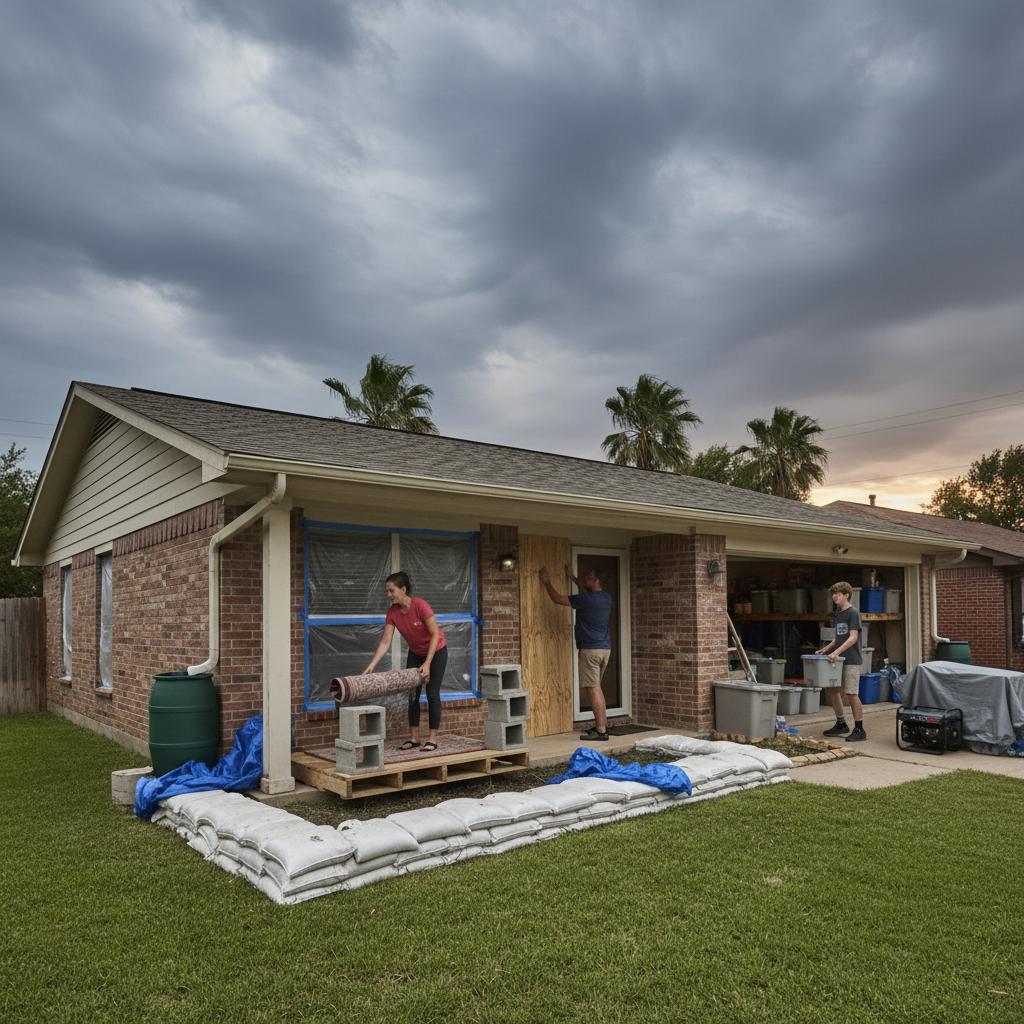
Flooding can be devastating, especially in Ozark, where the humid subtropical climate often leads to heavy rainfalls during the summer. As the county seat of Dale County, Ozark is no stranger to flooding issues, making it crucial for homeowners to respond effectively after a flood event.
If you're facing flood damage in your home, the first step is to ensure your safety. Before entering your home, check for structural damage and listen for any unsafe sounds. Once you confirm it's safe, act quickly to minimize damage and begin the restoration process.
Assessing the Damage
Start by documenting the damage thoroughly. Take photos of affected areas and items for insurance purposes. This documentation will assist you when filing claims and seeking help like Flood Damage Cleanup. Check for any wet walls, ceilings, and floors, particularly in areas prone to structural weak points due to the local climate conditions.
Next, begin the water extraction process. If the water is still present, you can use a wet/dry vacuum or pumps for removal. If you need assistance, professionals can provide Water Extraction Services to ensure all moisture is efficiently cleared from your home.
Drying Out Your Home
After extracting the water, it’s essential to dry out your home completely. Use fans, dehumidifiers, and open windows to promote air circulation. Depending on the amount of water, this could take several days. Remember, a damp environment increases the risk of mold growth, which can start within 24-48 hours after flooding. To mitigate this, consider engaging in Structural Drying and Dehumidification services.
Remove water-damaged possessions, such as carpets, mattresses, and upholstered furniture. If they’re heavily damaged, it’s often not worth repairing. If you are unsure, consult with restoration professionals to determine which items can be salvaged.
Cleaning and Sanitizing
After everything is dry, you'll need to clean and *sanitize all surfaces*. Use non-toxic cleaning solutions or a mixture of water and bleach (1 cup of bleach per gallon of water) to disinfect affected areas. Be sure to wear gloves and a mask while cleaning to protect your health. If you're dealing with sewage or heavily contaminated floodwaters, professional Sewage Cleanup and Sanitization is highly advisable.
Lastly, keep monitoring the affected areas for signs of mold, rust, or deterioration. In case of extensive mold issues, you might need specialized help through Mold Remediation Services. By staying proactive, you’ll safeguard your home and family against further risks after the flood.
Need Water Damage Restoration in Ozark?
7134296997