
Water Damage Restoration Tips
What to Do If You Experience Basement Flooding in Binghamton: A Homeowner's Guide
Published 2026-09-29 · By David Mitchell, Damage Restore Pro
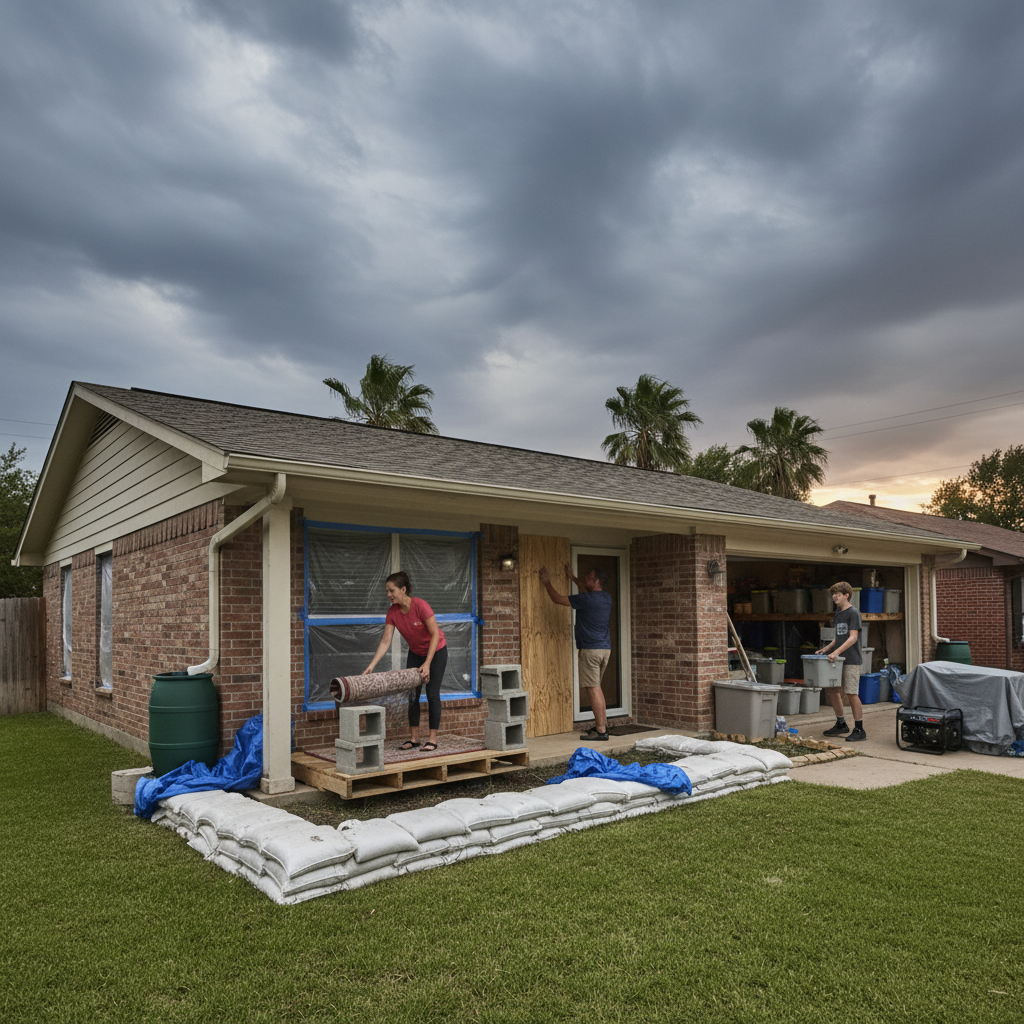
Experiencing a flooded basement can be overwhelming for any homeowner. In Binghamton, where wet summers often lead to heavy rainfall, it's important to act quickly to mitigate damage. This guide will help you understand the steps to take when faced with this unfortunate situation, ensuring you can restore your home effectively.
The first step is to ensure your safety. Before entering the flooded area, turn off the electricity to avoid any hazards. With Binghamton's humid continental climate, especially during the rainy season, floodwaters can rise rapidly and unexpectedly. After ensuring your home is safe, begin assessing the situation.
Assess the Situation
When you're ready to check your basement, take careful notes on what has been affected. This includes identifying items that are salvageable and those that might require disposal. Document everything with photographs for insurance purposes. Binghamton's historic homes may have unique materials that can be sensitive to water damage, so keep an eye out for structural integrity. If you notice major damage, it could be time to call for emergency water removal services to handle the crisis appropriately.
Be aware of your home's drainage systems. Blocked gutters or downspouts can contribute to flooding. Ensuring that these systems are clear reduces the risk of basement flooding during the heavy rains Binghamton often experiences. It's also wise to inspect any foundation cracks; small cracks can lead to water ingress over time, especially if Binghamton receives a significant amount of rainfall within a short period.
Start the Cleanup Process
Once you’ve successfully ensured safety and assessed the damage, start the cleanup. If the water is less than 2 inches deep, it might be safe to use a wet/dry vacuum to remove water. If it’s deeper, seek professional help as more advanced equipment may be needed. Be cautious of contaminated water from sewage backup, as this puts your health at risk. If this is the case, consider contacting experts for sewage cleanup and disposal.
Remove wet furniture and belongings from the basement and let them dry out, if possible. Be sure to document their condition for insurance claims. Items like wooden furniture may warp or swell in water; therefore, the sooner they're taken care of, the better. With Binghamton's climate, damp items left behind can lead to mold growth in as little as 24 to 48 hours.
Prevent Future Flooding
Once the immediate damage is managed, focus on prevention methods for the future. Check for leaks in your plumbing and ensure your sump pump is functioning properly if you have one. It’s also a good idea to invest in a structural drying service after the flooding to prevent any moisture from lingering in your basement and causing future problems.
Consider installing a water alarm to notify you of potential flooding, which can be particularly useful given Binghamton's historical rain patterns. Additionally, you might want to look into landscaping solutions that direct water away from your foundation. Regular maintenance checks and full inspections every few years can go a long way in protecting your home.
Flooding can happen at any time, but by being prepared and knowing what to do, you can minimize damage and keep your home safe. If you're ever in doubt, reaching out to a local expert like David Mitchell at Damage Restore Pro is advisable. His commitment to helping homeowners in Binghamton ensures you get the assistance you need during tough times, whether it be through flood cleanup services or general water damage repair.
Need Water Damage Restoration in Binghamton?
7134296997