
Water Damage Restoration Tips
How to Prepare Your Buffalo Home for Lake-Effect Snow to Prevent Water Damage
Published 2026-09-29 · By David Mitchell, Damage Restore Pro
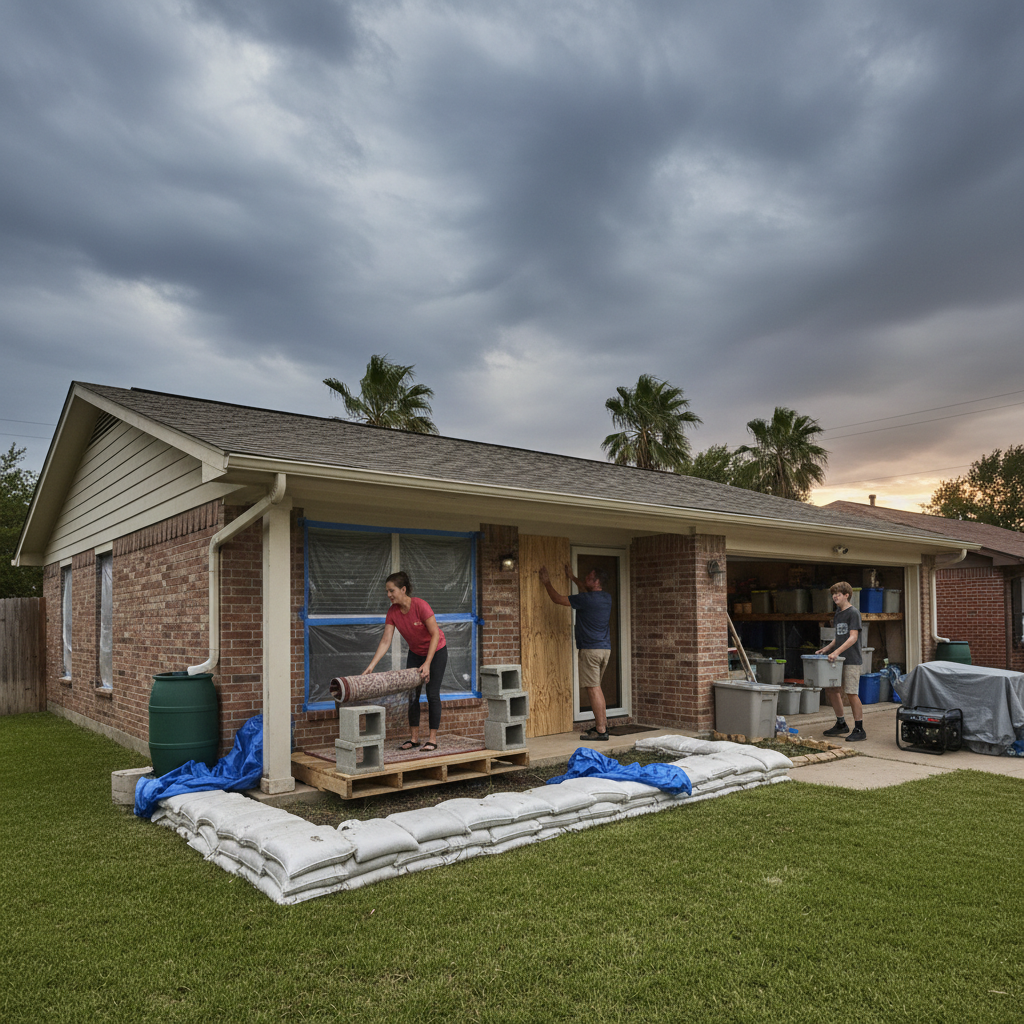
Buffalo's winters are notorious for their lake-effect snow, averaging around 95 inches annually. As a homeowner, being proactive in preparing your home can prevent potential water damage that often follows these heavy snowfalls.
In this guide, we will outline practical steps to safeguard your property from water damage this winter. With Buffalo's unique climate and architecture, it is crucial to adopt strategies tailored to our local conditions.
Understand the Risks of Lake-Effect Snow
Lake-effect snow occurs when cold air moves over the warmer waters of Lake Erie, causing heavy snowfall. This phenomenon can lead to significant moisture buildup on roofs, gutters, and the surrounding ground. If not managed properly, this moisture can seep into your home and cause severe water damage over time. Catching these issues early can save you from costly repairs, similar to the financial burden often associated with flood cleanup services.
It's also essential to be aware of Buffalo's historic architecture. Many homes here date back to the early 1900s and may have features that require special attention, such as older roofing materials that may not withstand heavy snowfall as well as modern options.
Preparing Your Home for Winter
Preparation is key for safeguarding your home. Here are some actionable steps:
- Inspect and Clean Gutters: Ensure your gutters are clear of debris to facilitate proper drainage. Clogged gutters can cause water to back up and leak into your home.
- Check Your Roof: Look for missing shingles or signs of wear. Consider having a professional roofing inspection, especially if your roof is more than 20 years old.
- Seal Windows and Doors: Use caulking to seal any gaps around windows and doors to prevent cold air, and moisture, from entering your home.
- Insulate Pipes: Uninsulated pipes can freeze and burst in cold weather, leading to significant water damage. Insulate all exposed plumbing.
- Emergency Preparedness: Have a plan in place for swift emergency water removal if water damage does occur.
What to Do If Water Damage Occurs
You can take all the precautions in the world, but sometimes water damage can still happen. If you find water in your basement or see signs of leakage, it’s crucial to act quickly.
- Turn off Electricity: If you're dealing with standing water, turn off electrical supplies to the affected areas to avoid electrocution.
- Call for Professional Help: Contact experts who specialize in water damage repair and can handle the situation safely and effectively.
- Avoid DIY Solutions: While you might want to tackle the problem yourself, professional services like structural drying services are essential for effective remediation.
Maintaining Your Home Throughout the Winter
Staying on top of upkeep can help lessen the chances of severe water damage as the winter progresses.
- Regular Inspections: Make it a habit to inspect your home every few weeks throughout the winter to catch any issues early.
- Clear Snow from Roofs: If snow accumulates heavily on your roof, consider hiring a professional to remove it safely to prevent ice dams.
- Moisture Control: Use a dehumidifier in your basement or crawl spaces to control humidity levels and further prevent mold growth.
By taking these steps, you can help ensure that your Buffalo home remains safe and dry, regardless of how much lake-effect snow falls. When in doubt, always remember the expertise of professionals like David Mitchell and his team at Damage Restore Pro for all your water damage restoration needs!
Need Water Damage Restoration in Buffalo?
7134296997