
Water Damage Restoration Tips
The Impact of Corning's Humid Climate on Roof Leaks: Signs Every Homeowner Should Watch For
Published 2026-09-29 · By David Mitchell, Damage Restore Pro
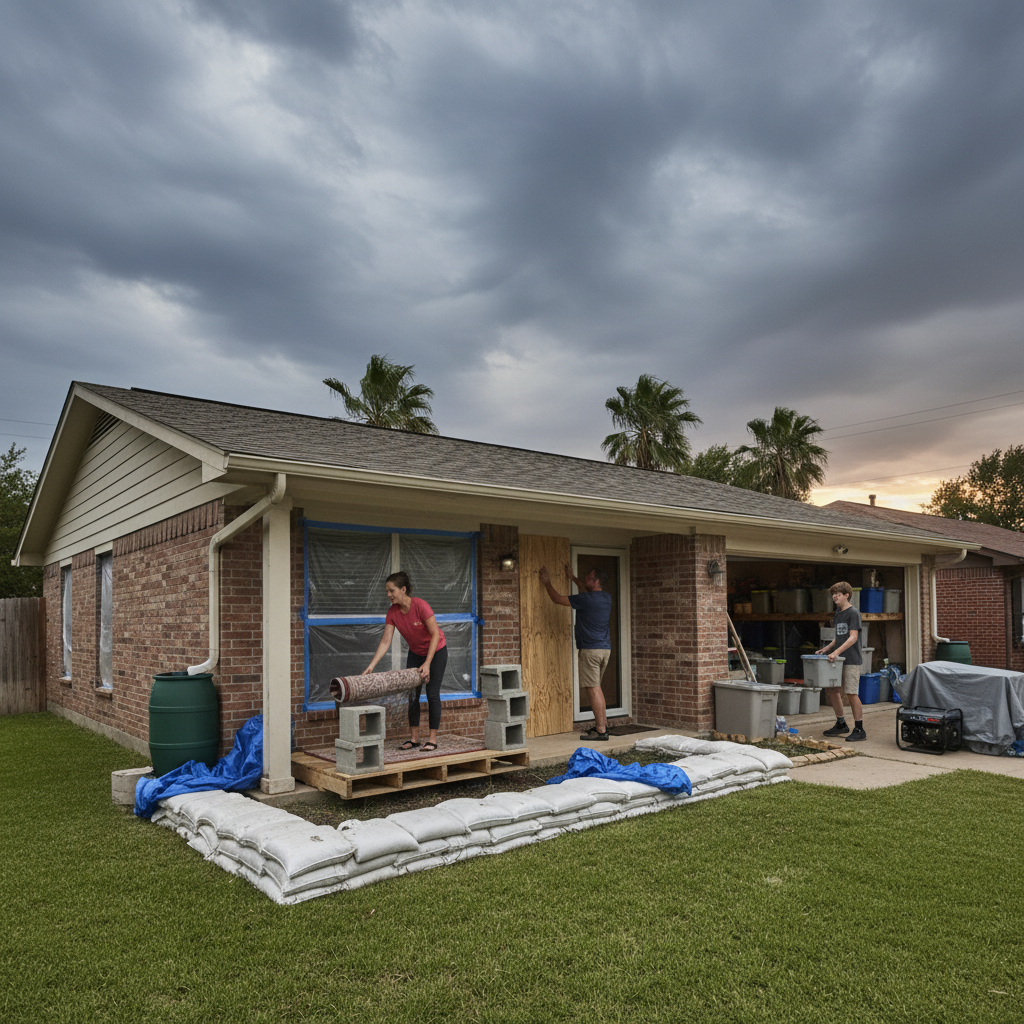
Corning, known for its rich glass and ceramics industry, has a humid continental climate characterized by cold winters and mild summers. While the city boasts beautiful scenery and landmarks like the Corning Museum of Glass, homeowners must contend with potential roof leaks exacerbated by this climate. Recognizing the signs of roof leaks early can save you from extensive water damage restoration services and ensure your home remains a safe haven.
The combination of Corning's cold winters, with average January lows around 12°F, and the subsequent humidity in summer creates an environment where roofs are put to the test. Snow accumulation can cause strain, while humidity can lead to moisture buildup, increasing the chances of leaks and subsequent damage. Below are some key signs every homeowner in Corning should watch for to identify potential roof issues.
Common Signs of Roof Leaks
- Water Stains: One of the first signs of a roof leak is water stains on the ceiling or walls, often appearing as yellow or brown spots. This indicates moisture infiltration and should prompt immediate investigation.
- Mold and Mildew: The humid climate can foster mold growth. If you notice a musty smell or visible mold, it could be a sign that water is trapped in your roof’s structure. Early mold remediation is crucial to protect your health and home.
- Sagging Roof Areas: Pay attention to spots on your roof that appear sagging or warped. This could indicate trapped moisture within your roofing materials, leading to more severe structural issues over time.
- Missing or Damaged Shingles: Inspect your roof regularly for missing, cracked, or curled shingles. In Corning's climate, where snow and rain can be prevalent, this damage can significantly increase the risk of leaks.
Seasonal Considerations
Understanding how the seasons affect your roof is critical. In winter, heavy snow can put pressure on your roof, leading to structural damage over time. As temperatures rise, ice dams may form, causing water to pool. In summer, the increased humidity can lead to condensation, again creating opportunities for water ingress. It’s vital to have a maintenance routine that considers these seasonal effects, and if issues arise, contacting experts for emergency water removal can mitigate long-term damage.
What to Do If You Suspect a Leak
If you notice any of the signs mentioned, here are steps to take: - Inspect Your Roof: Look for visible damage or signs of wear. If you're uncomfortable climbing a ladder, consider hiring professionals. - Check Interior Spaces: Inspect your attic and ceilings for leaks, stains, or mold. - Contact Professionals: Engage with local experts like Damage Restore Pro, led by David Mitchell, who can provide structural drying services and thorough assessments.
In summary, Corning's unique climate poses distinct challenges to homeowners when it comes to roof maintenance. By being proactive and recognizing the early signs of leakage, you can protect your investment and enjoy your home without the worry of flood cleanup or costly repairs.
Need Water Damage Restoration in Corning?
7134296997