
Water Damage Restoration Tips
Top 5 Water Damage Risks During Cortland's Snowy Winters and How to Prevent Them
Published 2026-09-29 · By David Mitchell, Damage Restore Pro
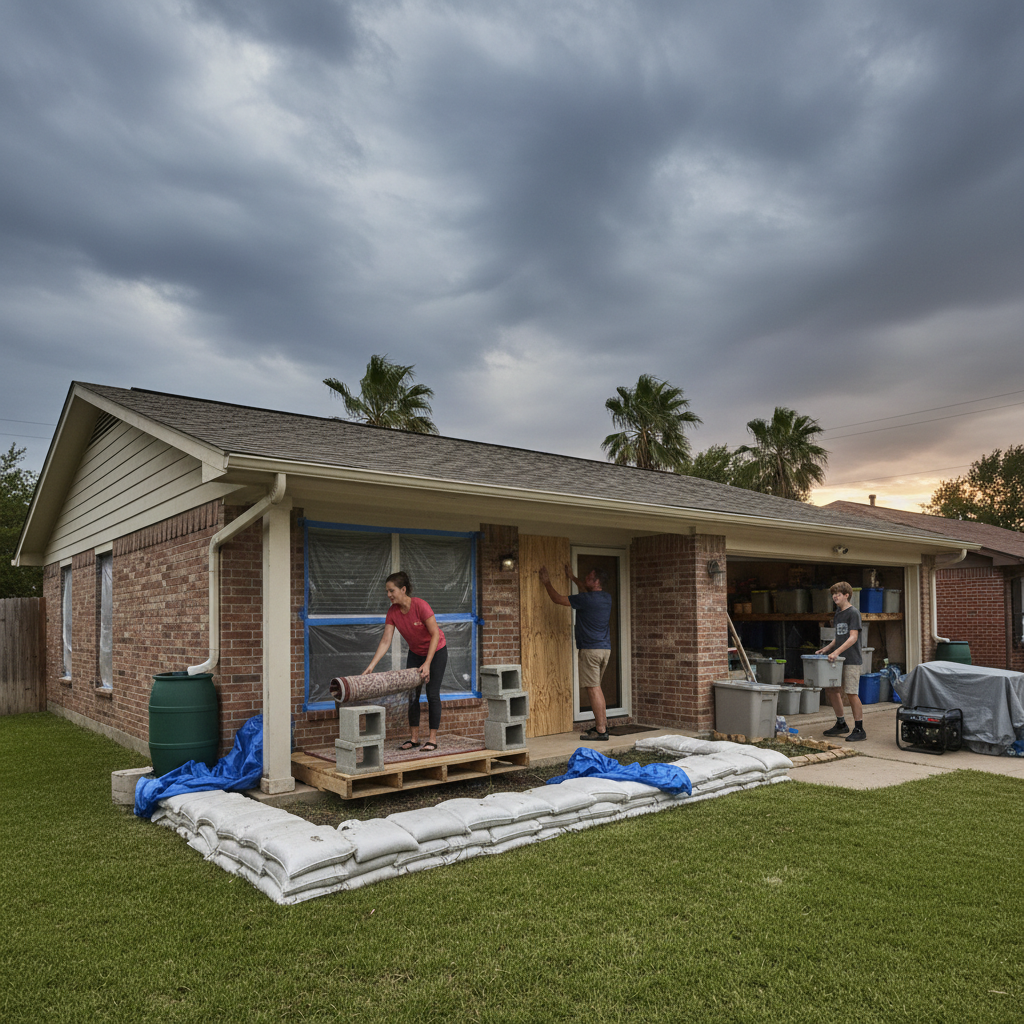
As the winter months draw near in Cortland, known as the Crown City, residents should be aware of the increased risks of water damage that come with heavy snowfall and fluctuating temperatures. With its humid continental climate, characterized by cold, snowy winters and warm summers, it’s crucial to be prepared for the unexpected. This blog highlights the top five water damage risks during Cortland's snowy season and offers practical prevention strategies to protect your home and loved ones.
- Ice Dams and Roof Damage: One of the most common issues during Cortland's harsh winters is the formation of ice dams. When snow melts on the roof due to heat escaping from the home and refreezes at the eaves, it can create a dam that traps water, which may seep into your attic or walls. To prevent ice dams, ensure your attic is properly insulated and ventilated. Regularly remove snow buildup from rooftops to reduce the risk of melting and refreezing water.
1. Burst Pipes from Freezing Temperatures
Freezing temperatures can wreak havoc on your plumbing system, leading to burst pipes. In Cortland, the average January temperature can plummet to around 18°F. To prevent pipes from freezing, insulate pipes in unheated areas, let faucets drip during extreme cold, and keep cabinet doors open to allow warm air to circulate around plumbing. If a pipe does burst, act quickly and contact professionals for Emergency Water Removal to mitigate damage.
- Flooding from Thawing Snow: Come early spring, melting snow can lead to unexpected flooding. With Cortland's topography, located at the convergence of seven valleys, water can easily accumulate. Ensure your gutters and downspouts are clear of debris to facilitate proper drainage, and consider re-grading your yard to direct water away from your foundation.
2. Poor Drainage and Water Accumulation
Heavy snow can also lead to poor drainage and water accumulation around your home. Address any low spots in your yard where water may pool and install French drains or sump pumps if needed. A good drainage system can prevent excess water from infiltrating your basement, reducing the need for Flood Cleanup Services. Regular maintenance is essential for your drainage systems to function effectively.
- Mold Growth Due to Humidity: With the combination of snowmelt and indoor humidity from heating systems, mold can begin to thrive in your home. In Cortland's humid continental climate, this is a significant threat. To combat mold growth, maintain low indoor humidity levels (ideally below 60%) and ensure proper ventilation in areas such as kitchens and bathrooms. If you suspect mold growth, professional Mold Remediation services can help ensure a safe living environment.
3. Structural Damage from Underlying Issues
Finally, the threat of enduring structural damage should not be overlooked. Water pooling around the foundation of your home can cause serious long-term damage. Check for cracks in your foundation and seal them to prevent water intrusion. Regular inspections are critical during the winter months to catch issues before they escalate, and for serious problems, reach out for Structural Drying Services to get your home back in shape.
By understanding these water damage risks unique to Cortland's snowy winters, homeowners can take proactive steps to protect their properties. Ensuring that your home is ready for the season is not just about comfort; it's about preventing costly damages down the road. If you do encounter water damage this winter, remember that Damage Restore Pro, led by David Mitchell, is here to assist you with professional water damage restoration solutions tailored to the needs of Cortland residents.
Need Water Damage Restoration in Cortland?
7134296997