
Water Damage Restoration Tips
Dealing with Water Damage in Historic Gloversville Homes: What Homeowners Should Know
Published 2026-09-29 · By David Mitchell, Damage Restore Pro
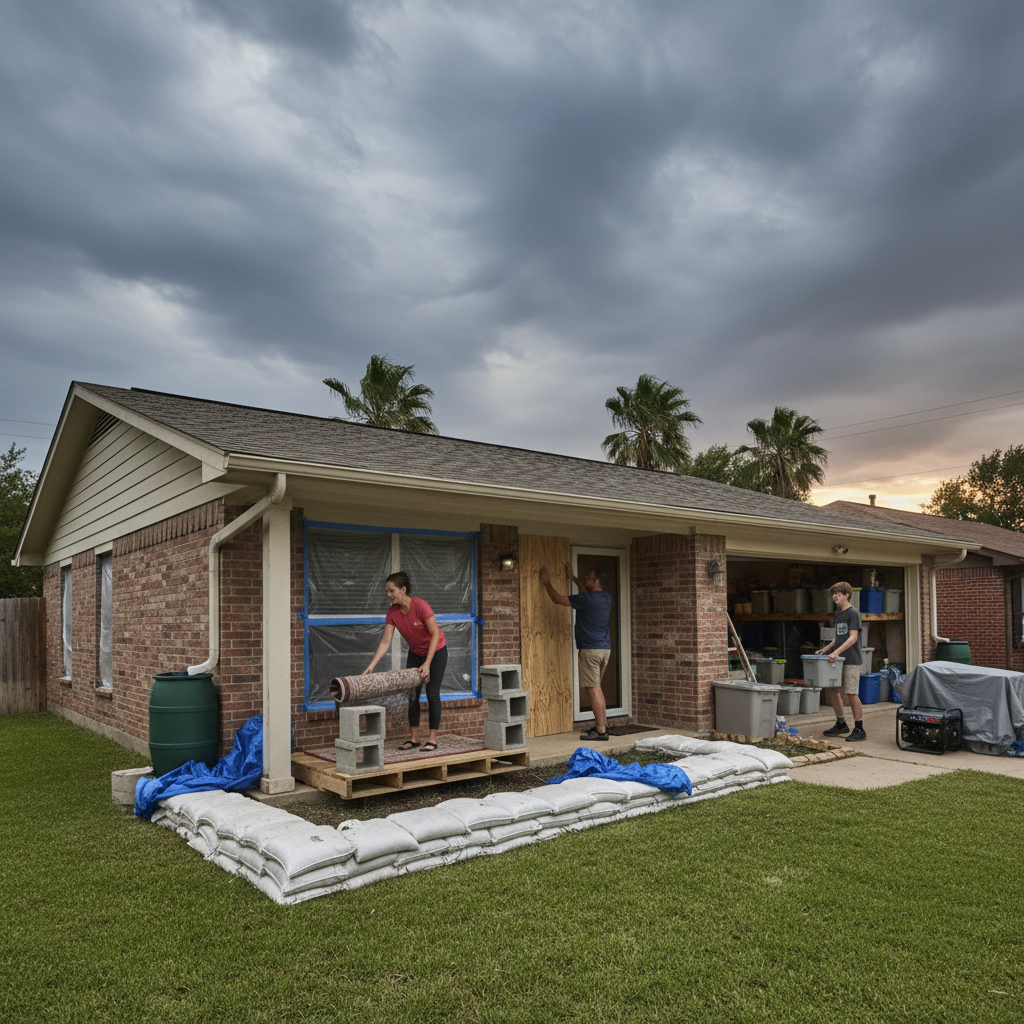
Water damage poses a significant threat to the historic homes of Gloversville, once known as the hub of the U.S. glovemaking industry. With its rich heritage and charming architecture, protecting these homes from water-related issues is crucial for maintaining their value and integrity.
The humid continental climate of the Capital Region, which brings warm summers and significant winter precipitation, makes Gloversville particularly susceptible to water damage. Homeowners should be prepared to address potential flooding, whether from heavy rains, snowmelt, or plumbing failures.
Understanding Water Damage as a Historic Homeowner
Water damage can manifest in various ways, including leaks, flooding, and condensation. It's essential to identify the source of any water intrusion quickly. Common causes include: *Old roofs*: Roofs may develop leaks after years of wear and tear. *Foundation issues*: Water can seep through cracks, affecting your home's foundation. *Faulty plumbing*: Old or deteriorating pipes can burst, leading to significant water damage. As a homeowner, it’s essential to be proactive and inspect areas such as the roof and plumbing systems regularly to avoid costly water damage repair.
In Gloversville, the potential for flooding is serious. Homes near water bodies or low-lying areas might face increased risks, especially during heavy storms. Homeowners should have a plan in place and consider checking their homeowner’s insurance policies for coverage on water damage.
What to Do When Water Damage Occurs
If you experience water damage, immediate action is vital. Here’s a step-by-step guide: 1. Ensure safety: Turn off the electricity and avoid using electrical appliances. 2. Remove excess water: Use a wet/dry vacuum or contact professionals for emergency water removal. 3. Dry out the area: Use fans and dehumidifiers, or consider hiring structural drying services to prevent mold growth. 4. Document the damage: Take photos for insurance claims. 5. Call in the experts: In many cases, you may need professional assistance for flood cleanup services. David Mitchell and his team at Damage Restore Pro specialize in restoring homes in the Gloversville area.
Mitigation is key. Familiarize yourself with preventative measures to safeguard your home against future water damage. This includes ensuring gutters and downspouts are clear, grading your yard away from the foundation, and using waterproof materials when making repairs.
Long-Term Solutions for Historic Homes
For long-term protection of your historic home, consider these strategies: - Regular inspections: Check foundations, roofs, and plumbing systems regularly to catch issues early. - Waterproofing: Apply sealants on foundations and exterior surfaces to reduce the risk of water ingress. - Landscaping: Maintain proper yard drainage to divert water away from your home. - Mold Remediation: Be aware of mold, as prolonged moisture can lead to its growth. If you suspect mold, reach out for mold remediation services to ensure a safe living environment.
Investing time and resources into protecting your home can save you money in the long run. Alternatives like installing sump pumps or using smart home devices to monitor moisture levels can be invaluable. Remember that early intervention is the best strategy against water damage.
Need Water Damage Restoration in Gloversville?
7134296997