
Water Damage Restoration Tips
The Best Water Damage Restoration Techniques for Homes Near Ithaca's Gorges and Waterfalls
Published 2026-09-29 · By David Mitchell, Damage Restore Pro
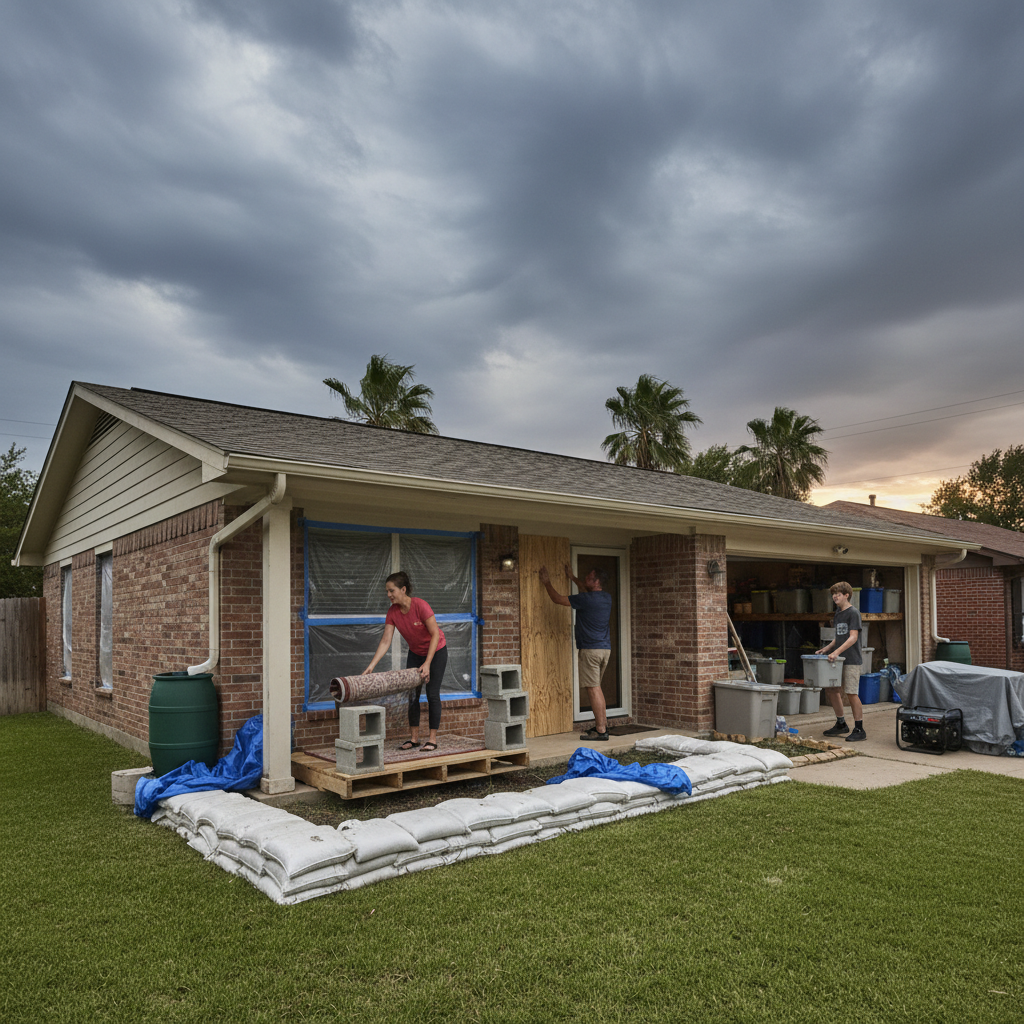
Ithaca, New York, renowned for its picturesque gorges and waterfalls, also presents a unique challenge for homeowners dealing with water damage. With long, snowy winters leading to potential flooding, understanding effective restoration techniques is crucial for maintaining the integrity of your home.
As residents of a college town anchored by Cornell University and Ithaca College, many homeowners may not know the impact of local climate on their properties. The warm-summer humid continental climate can lead to excessive moisture buildup, especially during spring thaw, making professional water damage restoration essential. Here are some proven techniques tailored for homes near Ithaca's stunning natural features.
Emergency Response and Initial Assessments
The first step when dealing with water damage is immediate action. If flooding occurs, Emergency Water Removal should be your priority. Start by assessing the extent of the damage. Look for signs of water intrusion in basements, crawl spaces, or around windows, especially after heavy rain or snowmelt. Swift extraction of water not only reduces damage but also minimizes mold growth, which can begin within 24 to 48 hours. Keep in mind that removing standing water may require commercial-grade equipment like submersible pumps and high-capacity wet vacuums.
In areas near Ithaca Falls or Cascadilla Gorge, homes may face unique water intrusion risks. Use moisture meters to check for hidden damp spots in walls or flooring, and consider thermal imaging to identify cooler spots indicating moisture presence.
Structural Drying Techniques
Once the water has been removed, drying out your home's structure is the next crucial step. Proper structural drying services such as industrial dehumidifiers and air movers can expedite this process. Depending on your home size, these may start at $1,000 and go up to $3,500 for more extensive areas, like those affected by groundwater. In regions with long winter seasons and heavy snowfall, like Ithaca, maintaining a dry environment is essential to prevent ongoing damage.
It's important to keep the indoor humidity below 40% to effectively stave off mold growth after water damage. Consider using hygrometers to monitor levels during the drying process. For homes near water features, implementing a proactive drainage and gutter system can assist in directing water away from foundations, reducing the likelihood of future issues.
Mold Prevention and Water Damage Repair
Mold can be a significant issue after water intrusion, especially in the damp conditions that can persist in Ithaca. Pursuing Mold Remediation immediately after water damage is crucial. The cost of mold remediation can vary, typically ranging from $500 to $3,000, depending on the extent of the outbreak. It's essential to address mold issues promptly, as prolonged exposure can lead to serious health risks.
After ensuring the area is dry and mold has been mitigated, focus on repairs. This may include replacing damaged drywall, flooring, or insulation. Always utilize materials designed for water resistance, such as treated lumber or waterproof drywall in high-risk areas. Homes close to Ithaca Commons and other water features should be particularly vigilant in their post-water damage monitoring to prevent recurrence.
Need Water Damage Restoration in Ithaca?
7134296997